For growing brands, the decision to adopt eco-friendly materials is no longer optional, it’s expected. Customers, investors, and enterprise buyers increasingly evaluate brands on sustainability commitments. Yet despite this pressure, many brands hesitate to transition away from conventional materials.
Why? Because eco material adoption carries real risks: higher costs, inconsistent supply, uncertain performance, compliance challenges, and the fear of disrupting operations at scale.
The good news is that brands don’t have to navigate this transition alone. The right partner models can significantly reduce risk, allowing growing companies to adopt eco materials with confidence and control.
Why Eco Material Adoption Feels Risky for Growing Brands
Unlike large enterprises, growing brands often lack the internal infrastructure to absorb sourcing mistakes or supply disruptions. Common concerns include:
- Unclear cost implications over time
- Limited visibility into eco material suppliers
- Inconsistent quality or performance
- Regulatory and certification uncertainty
- Scaling challenges as demand grows
Without experienced partners, eco initiatives can stall, or worse, fail publicly.
What It Means to De-Risk Eco Material Adoption
De-risking doesn’t mean eliminating challenges. It means structuring partnerships and processes so that risks are shared, managed, and mitigated before they impact customers or revenue.
Effective partner models focus on:
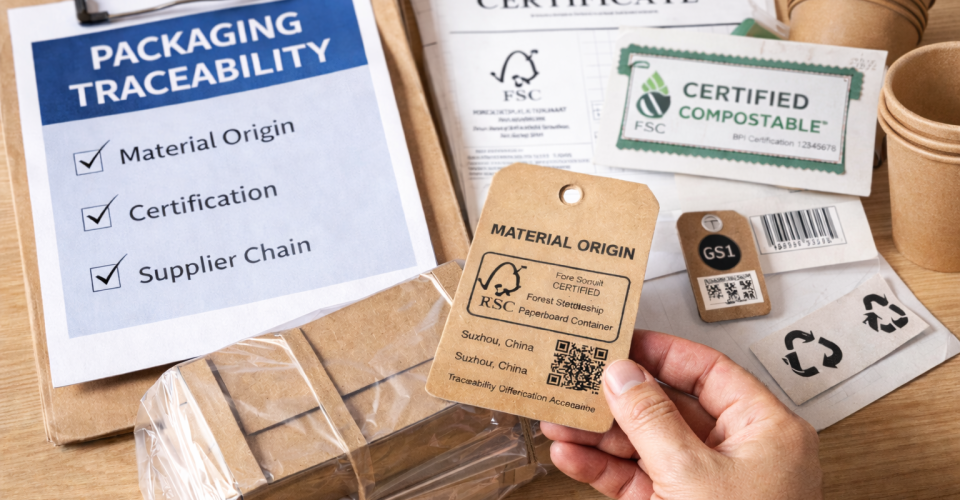
- Transparency and traceability
- Performance validation
- Cost predictability
- Scalability and continuity
- Compliance and documentation
Partner Model 1: Integrated Sourcing and Manufacturing Partners
One of the most effective ways to reduce risk is working with partners who control or directly manage both sourcing and manufacturing.
Why this model works:
- Fewer handoffs reduce miscommunication
- Material performance is validated at the manufacturing stage
- Lead times and quality standards are more predictable
Integrated partners can proactively adjust material specifications as volumes scale, preventing surprises down the line.
Partner Model 2: Pilot-First, Scale-Later Collaborations
Eco material adoption should rarely be “all or nothing.”
Partners that support pilot programs allow brands to:
- Test materials in real-world conditions
- Measure performance and customer response
- Identify operational issues early
This phased approach builds confidence internally and creates a clear roadmap for scaling without disruption.
Partner Model 3: Multi-Supplier Risk-Balanced Networks
Relying on a single eco material supplier can expose brands to shortages or price volatility.
Risk-balanced partner networks:
- Pre-qualify multiple suppliers
- Maintain consistent specifications across sources
- Provide redundancy without sacrificing quality
This model protects growing brands from unexpected supply chain shocks.
Partner Model 4: Compliance-Driven Sustainability Partners
Sustainability claims without documentation can quickly become liabilities.
The right partners embed:
- Third-party certifications
- Regulatory guidance
- Audit-ready documentation
By managing compliance centrally, brands avoid the risk of greenwashing accusations and regulatory setbacks.
Partner Model 5: Cost-Transparency and Optimization Partners
Eco materials often appear more expensive upfront, but total cost tells a different story.
Partners that focus on cost transparency help brands:
- Understand lifecycle costs
- Optimize material usage and design
- Identify hidden savings in logistics and waste reduction
This model aligns sustainability with financial performance, not against it.
How the Right Partner Models Build Long-Term Confidence
The most effective partner relationships evolve as brands grow. They don’t just supply materials, they provide:
- Strategic guidance
- Continuous improvement
- Market intelligence
- Operational support
Over time, this reduces dependency on guesswork and increases internal confidence in sustainability decisions.
What Growing Brands Should Look for in Eco Material Partners
When evaluating partner models, brands should ask:
- Can this partner scale with us?
- Do they provide full material transparency?
- How do they manage risk and redundancy?
- Do they support testing and iteration?
- Are they proactive about compliance and documentation?
Partners that can answer these questions clearly are better positioned to support sustainable growth.
Eco Material Adoption Is a Strategic Decision
Eco material adoption is no longer just a sustainability initiative, it’s a strategic business decision that affects brand equity, procurement efficiency, and long-term resilience.
By choosing partner models that actively de-risk the process, growing brands can move faster, avoid costly missteps, and build credibility with stakeholders.
If your brand is exploring eco material adoption and wants to minimize risk while scaling responsibly, Direct Source Procurement can help you design a partner model that balances sustainability, cost, and operational confidence.
Book a free consultation to explore sourcing strategies tailored to your growth stage.
FAQs
1. Why do growing brands struggle with eco material adoption?
Limited resources, supplier visibility, and scaling uncertainty make the transition riskier without experienced partners.
2. Are eco materials always more expensive?
Not necessarily. When evaluated over the full lifecycle, eco materials can reduce costs related to waste, compliance, and logistics.
3. How can pilot programs reduce adoption risk?
They allow brands to test materials at smaller volumes, identify issues early, and refine processes before scaling.
4. What role do certifications play in de-risking adoption?
Certifications provide third-party validation, reducing regulatory and reputational risk.
5. Can partner models evolve as brands grow?
Yes. The best partner models are flexible and designed to scale alongside the brand’s needs.
