
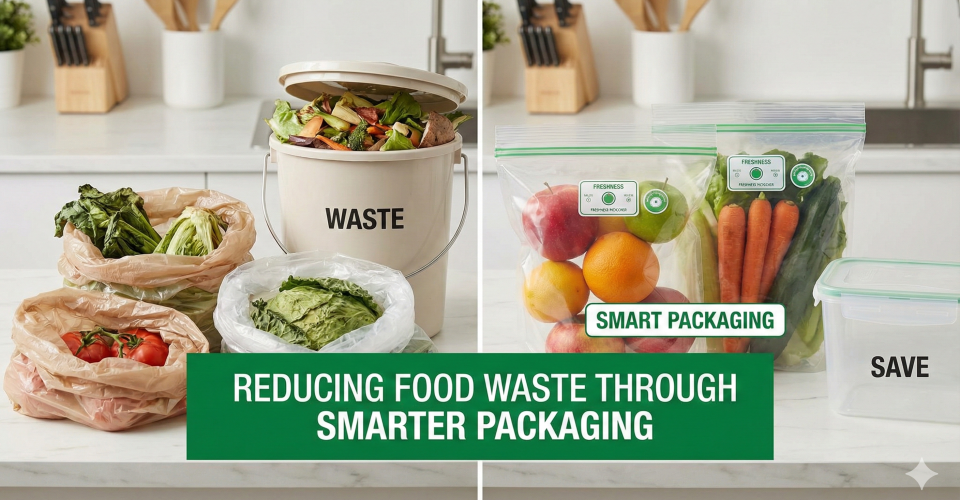
Reducing food waste does not always require advanced technology. Thoughtful packaging design, considering shape, size, ventilation, and material, can significantly lower spoilage and over-portioning. Restaurants and foodservice operators can achieve measurable results through practical adjustments that improve operational efficiency, customer satisfaction, and sustainability outcomes.
How Can Right-Sized Packaging Reduce Waste?
Oversized containers often encourage larger portions than necessary, leading to leftover food that ends up in the trash. By matching container volume to actual dish sizes, restaurants can reduce food waste by 10 to 15 percent.
Modular packaging systems support waste reduction by allowing staff to combine smaller items efficiently without overfilling. These systems also optimize storage and transport, helping kitchens manage inventory and reduce unnecessary material usage. Right-sized containers can lower material costs while improving customer satisfaction because portions are more appropriate and visually appealing.
Standardizing container sizes across menu items also reduces confusion among staff. When everyone in the kitchen knows the exact container for each dish, portion consistency improves, reducing plate waste and avoiding customer complaints related to underfilled or overfilled orders.
Which Materials and Designs Help Maintain Food Quality?
Packaging materials and design choices play a critical role in keeping food fresh. Breathable and moisture-control materials, such as molded fiber or coated kraft, allow limited airflow to keep fried foods crisp while retaining heat.
Vent holes in lids prevent condensation, which can make food soggy and reduce shelf life during delivery. Using eco-friendly, compostable materials engineered for food performance ensures that restaurants can maintain quality while meeting sustainability goals.
Bagasse and PLA-based containers provide additional durability and are suitable for hot and cold foods alike. They perform as well as conventional plastic alternatives in retaining temperature, texture, and overall freshness. By choosing the right materials, operators can reduce both food and packaging waste simultaneously.
How Does Visibility and Communication Help Reduce Waste?
Clear or semi-transparent lids allow customers to identify contents quickly. This is especially useful for multi-order deliveries or grab-and-go situations where mistakes can lead to accidental waste.
Printing reheating, portioning, and disposal guidance directly on containers also helps. For example, clear labeling on compostable containers encourages proper disposal, while reheating instructions reduce the chance of spoilage from misuse. These small changes empower both staff and customers to use packaging more efficiently and responsibly.
How Can Packaging Improve Staff Efficiency and Customer Perception?
Simplified and standardized packaging systems reduce kitchen errors and speed up preparation. Staff can quickly assemble orders without guessing which container fits each menu item, reducing prep time and mistakes.
Customers notice consistent packaging, which reinforces a sense of quality and operational competence. When food arrives in containers that maintain temperature, texture, and presentation, it improves the overall dining experience. Reduced waste becomes a silent indicator of professional kitchen management and careful operational planning, building trust and satisfaction over time.
What Are Quick Wins for Food Waste Reduction Through Packaging?
Restaurants can achieve immediate results by:
- Auditing container sizes against actual menu portions to eliminate oversized options.
- Implementing vented or breathable materials for fried and hot items.
- Standardizing a small set of versatile SKUs across menu items.
- Using clear labeling for reheating, disposal, or portion guidance.
These steps require minimal investment but can yield measurable reductions in plate and delivery waste. Over time, combining these strategies with staff training and consistent operational procedures amplifies the impact.
Why Should Restaurants Invest in Smarter Packaging Design?
Smarter packaging design is a strategic investment with multiple benefits:
- Reduced Waste: Smaller portions, modular containers, and breathable materials prevent spoilage and plate waste.
- Operational Efficiency: Standardized containers streamline prep, storage, and delivery processes.
- Customer Experience: Consistent packaging reinforces quality and reliability, enhancing loyalty.
- Sustainability Goals: Compostable and recyclable materials reduce environmental impact and support responsible business practices.
By aligning packaging choices with operational, customer, and sustainability goals, restaurants can achieve measurable results without relying on technology-heavy solutions.
Taking Action: Implementing Smarter Packaging in Your Kitchen
Restaurants seeking to reduce food waste should start with a packaging audit. Examine container sizes, materials, and functionality against actual dish requirements. Implement eco-friendly materials such as bagasse, molded fiber, or PLA, and add ventilation where needed.
Educate staff on portioning, assembly, and proper handling to maximize the effectiveness of smarter packaging. Include clear labeling on containers to guide customers on reheating, portioning, and disposal. Regularly review outcomes by tracking plate waste, compost-bin weight, and customer feedback.
By taking these steps, restaurants can significantly reduce waste, improve operational efficiency, and enhance the customer experience, all while supporting sustainability goals and building brand credibility.
FAQs
Q1: Which materials help prevent sogginess?
Bagasse with water-based coatings or vented molded fiber containers keep fried foods crisp and maintain heat.
Q2: How can restaurants measure the impact of new packaging?
Track plate waste, compost-bin weight, and customer feedback before and after implementing design changes.
Q3: Do eco-friendly materials compromise food freshness?
Properly engineered compostable materials maintain equal or better performance compared to conventional packaging.
Q4: What is a quick win for reducing food waste?
Audit container sizes against actual menu portions and eliminate the two least-used SKUs to optimize efficiency.
Q5: Can smarter packaging improve customer satisfaction?
Yes. Containers that maintain quality, temperature, and presentation enhance the dining experience and reinforce brand reliability.
