
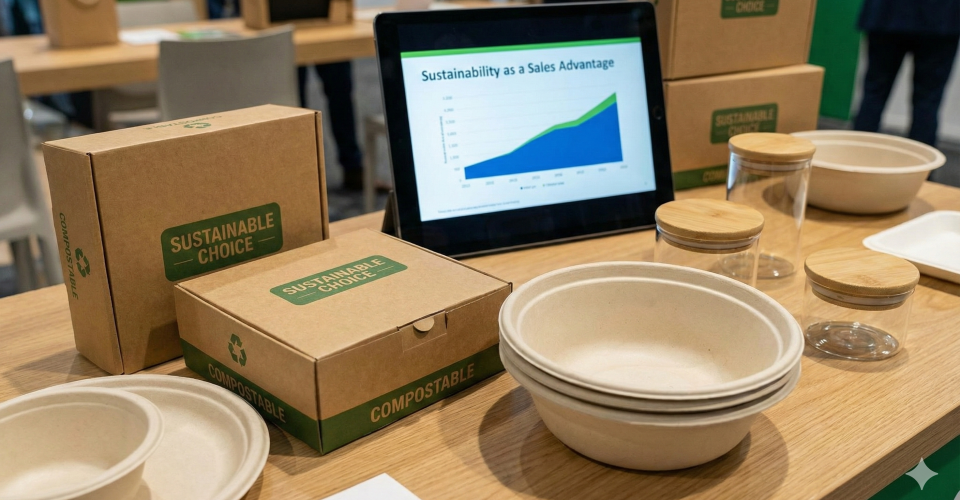
In competitive markets, packaging serves as more than protection for products—it acts as a silent salesperson. Sustainable packaging, when used effectively, can influence purchase decisions, reinforce brand values, and build long-term customer loyalty.
This article explains how eco-friendly packaging can become a marketing asset while delivering measurable business results.
How Can Packaging Support Branding?
Packaging provides a direct visual and tactile representation of a brand. Eco-friendly materials align a company’s values with customer expectations, creating a consistent and authentic brand experience.
The look, feel, and messaging of packaging turn every order into a storytelling opportunity. For example, a textured, compostable container communicates care and responsibility, reinforcing brand identity without additional advertising spend.
By integrating sustainable packaging into brand strategy, companies can differentiate themselves in a crowded market while demonstrating environmental responsibility.
What Visual and Emotional Impact Does Eco Packaging Have?
Consumers often make subconscious associations between packaging materials and brand integrity. Compostable or recycled materials suggest quality, transparency, and ethical practices.
Natural tones, minimalist design, and materials derived from renewable sources evoke trust and modernity. These design choices enhance the perceived value of the product and create a positive emotional response, increasing the likelihood of repeat purchases.
Sustainable packaging also provides opportunities for storytelling at the point of purchase or unboxing. Customers connect with brands that visibly demonstrate their values, strengthening emotional engagement.
What Evidence Shows Sustainable Packaging Drives Sales?
Brands that integrate sustainability into their packaging report measurable improvements in consumer behavior. A 2024 Nielsen study found that eco-branded packaging increased purchase intent by an average of 23 percent.
Quick-service restaurant chains like Panera and Chipotle have leveraged compostable bowls and clamshells as visual icons of their brand ethos. Customers recognize the packaging as a symbol of the brand’s environmental commitment, which contributes to repeat visits and brand loyalty.
These examples demonstrate that sustainability is not just an operational or ethical choice—it can directly impact sales and customer retention.
How Can Brands Communicate Sustainability Clearly?
Transparent messaging builds credibility and trust. Rather than using vague green claims, successful brands focus on factual, specific statements, such as:
- “100% compostable”
- “Made from sugarcane waste”
- “Zero-plastic coating”
Certifications from recognized bodies such as BPI or FSC provide further validation and instant credibility. Clear labeling helps customers understand the environmental benefits of the packaging and reinforces the brand’s commitment to sustainable practices.
What Long-Term Value Does Sustainable Packaging Provide?
Packaging that reflects authenticity strengthens emotional connections with customers and encourages repeat business. In markets driven by both convenience and ethical considerations, sustainable packaging acts as a sales multiplier.
Over time, brands that consistently use eco-friendly packaging build stronger loyalty, positive word-of-mouth, and higher customer lifetime value. Operational and marketing benefits converge, making sustainable packaging a strategic investment rather than just a compliance measure.
If your brand wants packaging to serve as a marketing asset, start by evaluating your current materials. Choose certified eco-friendly packaging, design with visual and emotional impact in mind, and clearly communicate your sustainability actions. By turning packaging into a reflection of your brand values, you can increase purchase intent, improve customer loyalty, and create measurable sales advantages.
FAQs
Q1: How can packaging act as marketing?
It communicates a brand’s ethics and values visually, creating an impact without additional advertising.
Q2: What messaging builds consumer trust?
Clear, factual sustainability claims supported by certifications provide credibility and reassurance.
Q3: Do customers care about certifications?
Yes. Logos such as BPI, FSC, or TÜV instantly signal verified environmental performance.
Q4: How should brands measure packaging impact?
Track repeat purchases, social media mentions, survey feedback, and customer engagement tied to eco features.
Q5: Does sustainable packaging improve customer loyalty?
Yes. Packaging that reflects authenticity and environmental responsibility increases emotional connection and encourages repeat business.
