
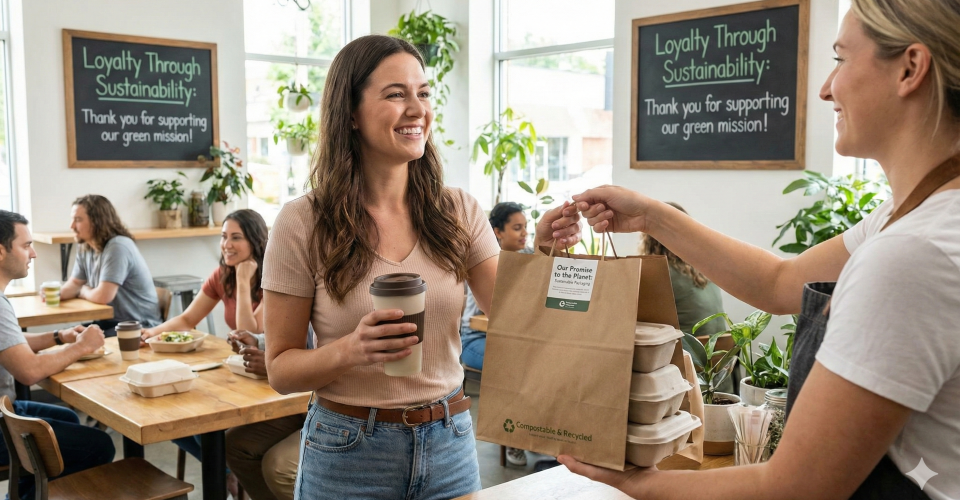
For restaurants, packaging serves more than a functional purpose. It shapes the dining experience and communicates a brand’s values. Eco-friendly packaging creates a tangible connection with customers, reinforcing brand identity while demonstrating care for the environment.
Sustainable packaging is now a strategic tool for restaurants looking to increase customer loyalty, improve operational efficiency, and enhance public perception.
How Does Eco Packaging Influence Customer Loyalty?
A 2025 Deloitte Food Trends survey found that 71 percent of diners prefer restaurants that use eco-friendly packaging. This preference is not just about environmental concern—it signals quality, attention to detail, and modern brand values.
Restaurants that adopt compostable, recyclable, or reusable materials demonstrate commitment to responsible practices. This resonates with diners who increasingly factor sustainability into their dining choices, influencing repeat visits and long-term loyalty.
Why Are First Impressions Important for Takeout and Delivery?
Takeout and delivery packaging is often the first and last touchpoint in a customer’s dining experience. Compostable bowls, paperboard containers, and natural textured materials leave a stronger impression than generic plastic packaging.
Eco-friendly packaging also generates social proof. Customers frequently photograph and share visually appealing, sustainable packaging on social media platforms. This provides free exposure and strengthens the restaurant’s reputation for environmental responsibility, amplifying loyalty beyond the individual diner.
What Operational Benefits Does Sustainable Packaging Offer Restaurants?
Eco packaging is not only a branding tool but also an operational asset. Stackable and standardized designs reduce storage clutter and simplify inventory management. Consistent packaging formats across dine-in, takeout, and delivery improve operational efficiency, ensuring that presentation standards are maintained in every service channel.
With delivery accounting for 30 to 40 percent of revenue in many restaurants, the right packaging can enhance both performance and presentation. Durable, compostable containers protect food during transport while reinforcing the brand’s commitment to sustainability.
Which Restaurants Have Seen Results from Sustainable Packaging?
Real-world examples show measurable benefits. Fast-casual chains like Just Salad and Tender Greens reported up to a 10 percent increase in repeat purchase rates after switching to compostable packaging. Customers cited brand integrity and environmental responsibility as key factors influencing their loyalty.
These results demonstrate that sustainable packaging can be a differentiator in a competitive market, translating environmental practices directly into customer retention and repeat revenue.
How Can Packaging Communicate Brand Values?
Packaging communicates a brand’s values through material choice, design, and messaging. Minimalist designs, natural textures, and clear sustainability statements reinforce the restaurant’s commitment to environmental responsibility. Labels or icons indicating compostable, recyclable, or reusable materials make it easy for customers to understand the brand’s intentions.
By aligning packaging aesthetics with operational sustainability, restaurants create a coherent brand experience that reinforces trust and encourages long-term loyalty.
Call to Action
Restaurants looking to strengthen customer loyalty and brand perception should evaluate their packaging choices. Switching to certified eco-friendly containers, bowls, and bags not only supports sustainability goals but also enhances customer satisfaction, social proof, and operational efficiency. Partner with suppliers who provide verified materials and clear guidance on composting and recycling to make the transition seamless.
Implementing sustainable packaging today positions your restaurant for stronger loyalty, positive reviews, and measurable long-term benefits.
FAQs
Q1: Does eco packaging increase costs for restaurants?
Costs per unit may be slightly higher, but increased customer loyalty and repeat business often offset the difference quickly.
Q2: How can packaging communicate a restaurant’s values?
Through material choice, clear sustainability messaging, and minimalist or natural designs that reflect environmental responsibility.
Q3: What packaging works best for hot foods?
Bagasse or bamboo containers with compostable coatings are ideal for heat and grease resistance.
Q4: Does sustainable packaging influence online reviews?
Yes. Positive mentions of eco-friendly practices correlate with higher ratings and stronger customer engagement.
Q5: Can eco packaging simplify restaurant operations?
Yes. Standardized, stackable designs reduce storage clutter, simplify inventory, and ensure consistent presentation across dine-in and delivery channels.
